
The preservation of natural teeth depends on the early identification and prevention of Active Periodontal Degeneration (APD)—a progressive breakdown of the tissue that supports the teeth.
Modern diagnostic tools make it possible to detect changes in tissue metabolism at an early, often invisible stage, enabling timely and preventive treatment.
Early detection
Active periodontal degeneration (APD)
Early detection for lifelong oral health
What is aMMP-8?
Active Matrix Metalloproteinase-8 (aMMP-8) is an enzyme that indicates immune activity within the oral cavity.
When bacterial buildup or other trigger factors occur, aMMP-8 becomes activated and begins to break down collagen, the primary structural protein supporting the teeth.

Elevated levels of aMMP-8 in oral fluids are an early indicator of active collagen breakdown and periodontal degeneration.
Connection between oral and general health
Active periodontal degeneration affects more than just the gums and teeth—it can have significant effects on general health.
When inflammation in the mouth remains untreated, bacteria and immune mediators may enter the bloodstream, influencing the body’s overall inflammatory response and contributing to chronic diseases. Scientific studies have shown strong links between periodontal inflammation and several systemic conditions:
| Associated Condition | Increased Relative Risk |
|---|---|
| Respiratory diseases / Pneumonia | 2–4× |
| Stroke | 2× |
| Cardiovascular disease / Heart attack | 2× |
| Pregnancy-related complications (e.g., preterm birth, fertility issues) | 4–8× |
| Diabetes | 2–4× |
| Osteoporosis | 2–11× |
Preventive strategies
According to long-term research conducted at the University of Gothenburg (Prof. Axelsson & Prof. Lindhe), consistent preventive care and regular professional cleanings can reduce periodontal tissue loss by more than 95%.
Recommended Oral-Hygiene Practices
-
Brush teeth twice daily for at least two minutes
-
Use dental floss or interdental brushes once or twice daily
-
Clean the tongue surface
-
Use oral-health toothpaste and mouthwash
-
Maintain a balanced diet and consider vitamin or probiotic supplementation when appropriate
For clinically tested products that support daily oral health and periodontal prevention, please visit this site.
Early detection and prevention of Active Periodontal Degeneration are essential for maintaining both oral and general health.
Through evidence-based diagnostics and preventive care, periodontal tissues can remain stable, supporting long-term health and well-being.
Personalized prevention and monitoring
The frequency of professional dental hygiene sessions should be determined by individual risk factors and the measured aMMP-8 activity level.
Additional therapeutic measures may include:
-
Periodontal decontamination (e.g., laser or photodynamic therapy)
-
Antimicrobial or anti-inflammatory treatments
-
Optimization of home care routines
Regular aMMP-8 testing allows quantitative tracking of periodontal stability and early intervention in case of renewed tissue breakdown.
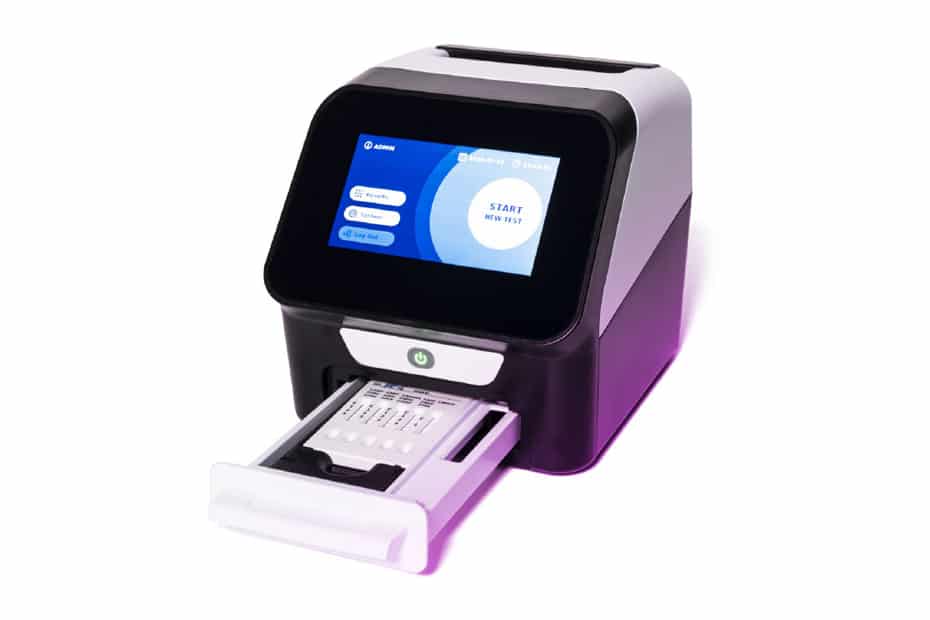
Accurate measurement with Lumi Flex
Active Periodontal Degeneration (APD) can be accurately measured using the Lumi Flex point-of-care diagnostic system.
Lumi Flex enables the quantitative detection of periodontal biomarkers associated with active tissue degradation and inflammation.
By identifying active disease processes at an early stage, Lumi Flex supports early diagnosis, risk assessment, and preventive periodontal care — directly at the point of care. Learn more about the Lumi Flex platform.
Biomarker testing across multiple application areas
The Lumi Flex biomarker detection technology is not limited to periodontal diagnostics.
It supports a wide range of biomarker testing applications across different industries, including medical and dental diagnostics, food testing, and environmental analysis. Its flexible design enables fast, reliable, and quantitative biomarker detection, making Lumi Flex suitable for clinical, laboratory, and industrial use cases. Explore all Lumi Flex application areas.